NOVELS · FANTASY AND ROMANCE
What is romantasy, and how do you choose your next book?
A world to explore and a relationship that matters: find the balance of fantasy and romance you want to read.
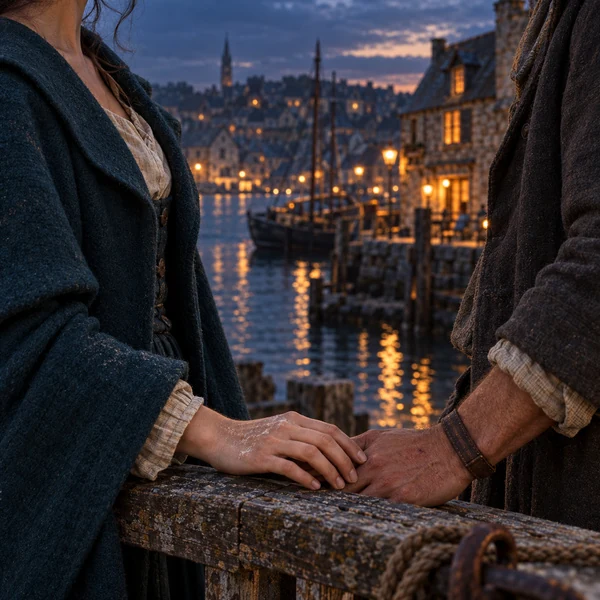
Romantasy brings a fantasy setting together with a love story that matters to the plot. The label alone, however, cannot tell you which book you will enjoy. Would you prefer a relationship that develops slowly, a world you can enter without a complicated map, a standalone novel or a long series?
Choosing becomes easier when you turn a genre label into practical questions about your reading preferences. This guide explores those questions through La Mer des vies possibles, Nicolas Marty’s forthcoming French maritime romantasy. It also offers routes into adventure fantasy and contemporary romance, helping you distinguish the experiences promised by different books in the catalogue.
What is romantasy?
The name combines romance and fantasy. It describes stories in which the imagined world and romantic relationship both shape the plot. Penguin’s introduction to the genre emphasizes that connection. Publishing labels can vary, so treat the category as a starting point rather than a complete description of a book.
To clarify what you want, imagine what you would look for in the opening pages. Do you want to understand an unfamiliar city, follow someone in danger or discover what stands between two people attracted to one another? You can answer “all three.” The order simply helps you recognize the promise that interests you most.
Every scene does not have to contain both magic and a romantic exchange. You may be more interested in how the two dimensions interact. Does a rule of the world force the characters to meet again? Does a private decision change how they pursue an investigation? Those connections can give you something to explore beyond the scenery.
Fantasy, romantasy and contemporary romance: compare the promise
The boundaries between shelves are not always precise. Instead of looking for a rigid formula, consider what seems to carry the story. Does the description emphasize a quest, a relationship or a conflict connecting the two? Does the opening give more attention to discovering a world or to understanding its characters’ relationships?
| Your preference | What to look for | A catalogue example |
|---|---|---|
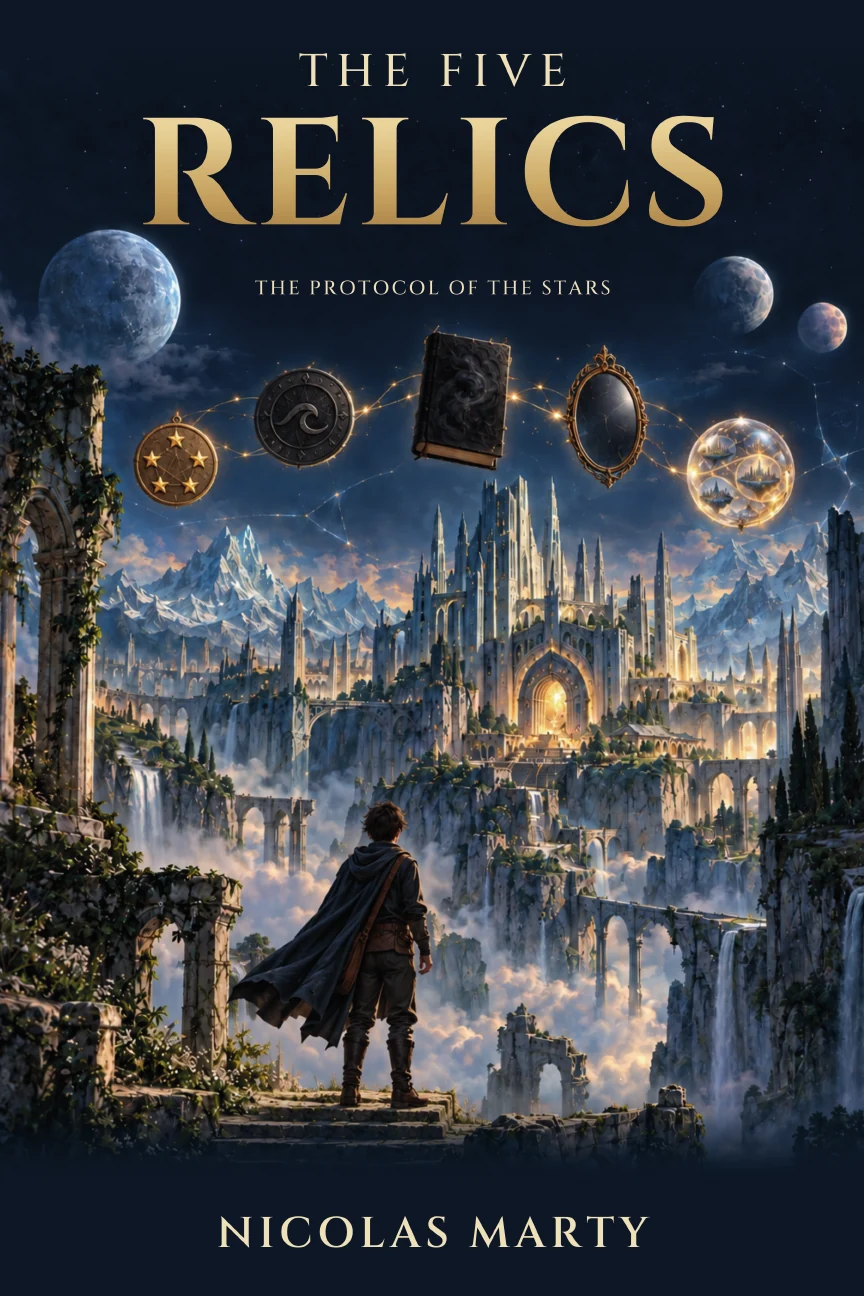
| A quest in an imagined world | Mysteries, companions and a journey. | The Five Relics: fantasy and science fiction. |
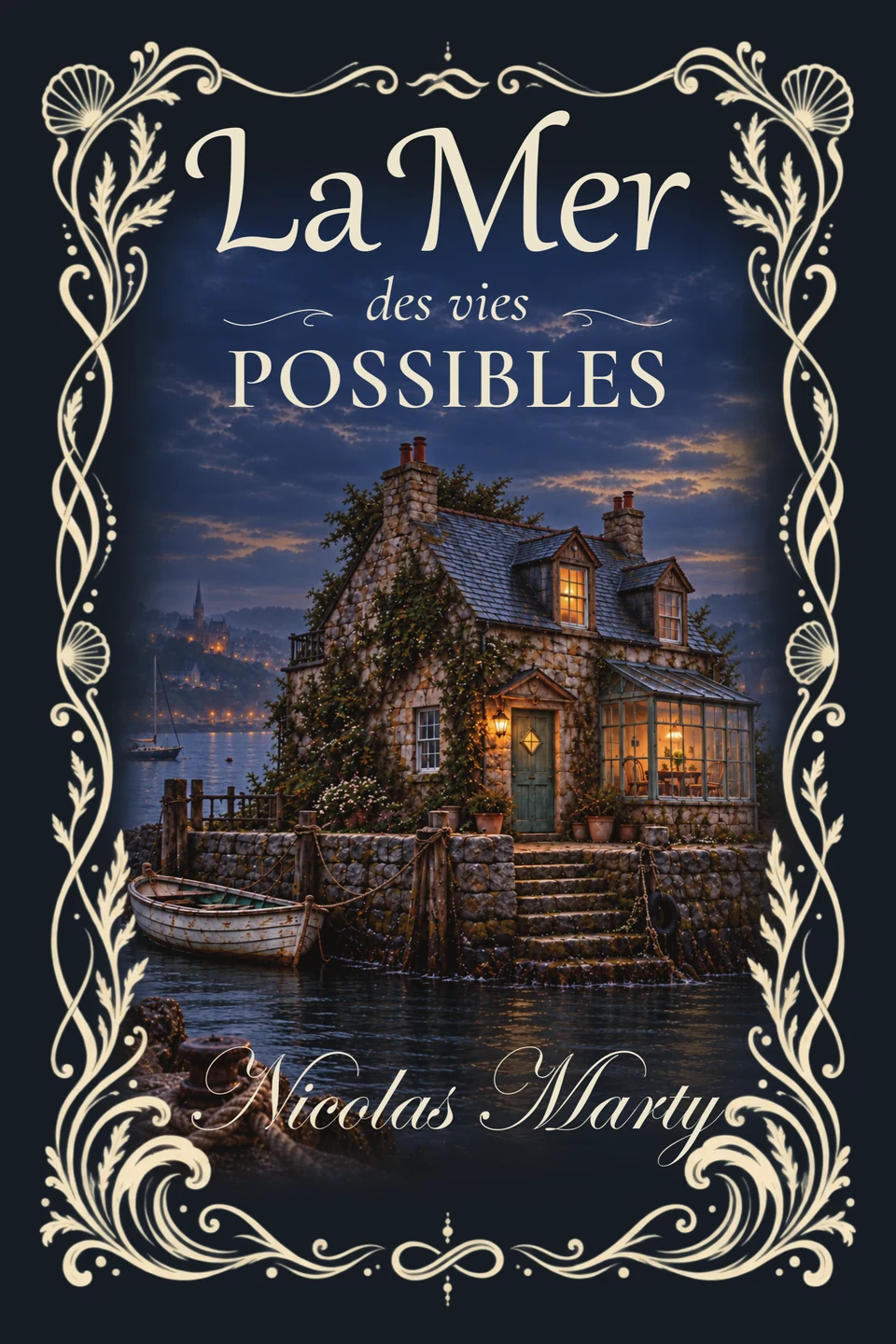
| Fantasy and a relationship connected | A love story entangled with the world’s challenges. | La Mer des vies possibles: forthcoming maritime romantasy. |
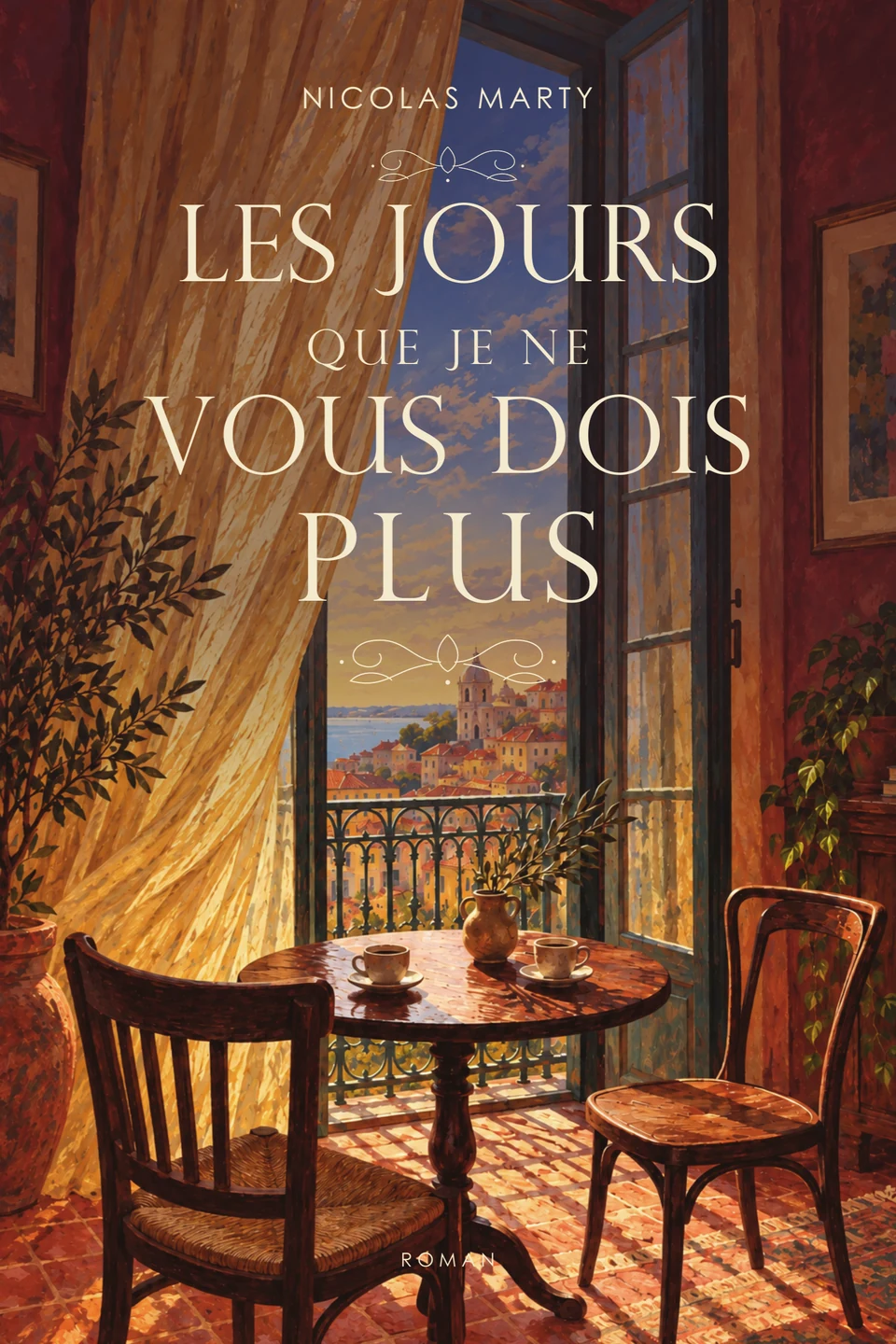
| Love within everyday life | Work, family and personal choices in a contemporary setting. | Les jours que je ne vous dois plus: forthcoming contemporary romance. |
This table provides entry points into these particular books, rather than rules for classifying every novel. You may enjoy several kinds of story. One evening, a large quest might appeal; another time, a recognizable family or workplace situation may feel more compelling.
Use the same approach with recommendations. If someone praises a book “for its romance,” ask what they enjoyed: dialogue, slowly changing trust, intense scenes or a difficult choice. That detail tells you more about whether your preferences match than a genre name alone.
Five questions for choosing a romantasy book
1. How much of an unfamiliar world do you want to explore?
You might want a vast setting, or you might prefer a few places the story lets you know intimately. A harbor, a workshop and a mysterious house can offer depth without multiplying kingdoms. Notice the details in a description that hold your attention: an occupation, an unusual material, a custom or a landscape.
2. Whose experience would you like to follow?
A concrete occupation can be an inviting route into a world. You learn through what a character knows how to do: repair, observe, negotiate or travel. Consider what sets that person in motion. Searching for someone missing creates a different expectation from finding a place within a family or understanding an old secret.
3. How central do you want the relationship to feel?
Some readers anticipate every encounter; others want an external mystery strong enough to keep moving between conversations. Look for the question that attracts you most. “Will they trust one another?” and “What is this house hiding?” can fuel the same reading experience without being identical questions.
4. Which tone suits you now?
The label romantasy does not tell you enough about humor, violence, intensity or sensuality. Read the edition’s description and a sample where available. A bright cover is not a reliable measure of the contents. Your preferences may also change with your mood, so give yourself room to choose accordingly.
5. How much space do you want to give this reading experience?
A standalone novel offers an opportunity to explore a story within one volume. A series can suit the pleasure of returning to a world over a longer period. Neither the number of volumes nor a book’s thickness tells you by itself how easy the reading will feel. The narrative voice and your curiosity matter too.
Slow burn: enjoying the gradual development of a relationship
In book descriptions, “slow burn” usually signals a romantic relationship that develops gradually. It describes pacing rather than guaranteeing anything else about the novel. To decide whether it appeals, think about the scenes you enjoy remembering after finishing a book.
Someone revisits an earlier judgment. Another person notices a gesture they would previously have overlooked. An ordinary exchange acquires new meaning because trust has changed. If these small shifts interest you as much as a declaration, you may enjoy a story that gives them space.
The relationship and the investigation can develop at different speeds. Characters may face an urgent problem while remaining unready to discuss their past. This creates a particular kind of anticipation: you want the solution, but also want to know what they will agree to tell each other along the way.
Do not read “slow burn” simply as a synonym for “slow.” Ask what changes between encounters. A description can tell you that the connection develops gradually; a sample will do more to reveal the rhythm of the sentences and dialogue.
Standalone romantasy or series: two ways to enter a world
If you want a standalone romantasy novel, check that the presentation explicitly identifies an independent story or single-volume novel. Seeing only one volume listed does not establish that the project is complete. A clear format description helps you avoid starting a series when you wanted a different experience.
A standalone gives your reading a defined frame. You can focus on the announced questions and discover how they develop within that space. This does not imply a simplified world or a particular kind of ending. Its appeal may lie in the attention given to a few places and relationships.
A series can suit a desire to remain in an imagined setting for longer. Check the reading order and available volumes before beginning. In either case, leave room for personal taste: format tells you about the project, while the book’s voice often decides whether you want to continue.
What might appeal to you in a maritime romantasy?
A harbor town brings private lives and movement together. Someone can wait for an arrival, watch a ship leave, work on objects from elsewhere or recognize a light across the water. Those possibilities may appeal if you enjoy inhabited places as much as expansive scenery.
When exploring a maritime story, notice the sea’s actual role. Is it mainly a horizon, or does it influence travel, occupations and decisions? A setting can become especially interesting when the characters must contend with it. A familiar route may look different on the return journey; a building beside the water may change the way someone understands the town.
You do not need nautical knowledge to appreciate that atmosphere. A workshop’s smell, a repaired cup or a familiar door can provide a human scale. Such details let you follow the people before you fully understand the world’s rules.
As a reader, you can ask which places make you want to pause. Perhaps you are curious about the workbench rather than the distant coastline, or about a kitchen rather than a grand building. Recognizing these preferences helps you choose descriptions that promise the kind of attention you enjoy.
La Mer des vies possibles: abandoned futures and a house that should not exist
In La Mer des vies possibles, abandoned futures become precious mother-of-pearl. In Veyr, Eline restores objects holding traces of those possibilities. Her occupation connects material, physical work and the question of lives that might have been different.
A house rises from the harbor. Inside is the life Eline might have shared with Malo, the man she holds responsible for her sister Lise’s disappearance seven years earlier. When the house brings that past into focus, the investigation and the relationship become difficult to separate.
The premise opens several reading questions. How would you look at a place that appears to know an intimacy you never experienced? What does it mean to repair something connected with an abandoned possibility? Can you investigate alongside someone you have not forgiven? These questions introduce the story’s appeal without revealing its resolution.
The book is presented as an independent adult romantasy told through Eline’s and Malo’s viewpoints. Their relationship develops gradually, and the sensuality is suggested rather than explicit. Sisterhood and the freedom to choose a future are also part of the announced themes. If that combination interests you, the presentation’s artwork and opening line offer a first impression.
La Mer des vies possibles does not yet have an announced publication date on the site. Its page will be updated with Amazon references when available. The images are presentation artwork, rather than reproductions of interior pages. The English-language website presentation is not an announcement of an English book edition.
Compare three books to clarify your reading preference
If you are still unsure what you want to read, compare the central question that attracts you in three catalogue presentations. This helps you avoid choosing only because two covers look similar or two descriptions happen to share a word.
For a fantasy quest: The Five Relics
The Five Relics follows Orion after the attack on his village and his mother’s disappearance. Elyria, traveling companions and the mysteries surrounding coveted objects open an adventure combining fantasy and science fiction. It is offered here as another route into imaginative fiction, without labeling it romantasy. An English edition is available through its book page.
For an investigation, maritime world and growing desire
The impossible house in La Mer des vies possibles confronts Eline and Malo with an existence they never shared. If you enjoy watching an external mystery change the relationship between two people, that premise may appeal. The forthcoming novel’s presentation supplies further information about its tone and standalone format.
For contemporary romance: Les jours que je ne vous dois plus
Les jours que je ne vous dois plus, also forthcoming in French, shifts the focus towards work, mother-daughter relationships and the possibility of choosing one’s life. Louise, Hélène and Adrien inhabit a contemporary setting between Lyon and Lisbon. Explore it if everyday decisions and relationships are what interest you most.
Choose a book without spoiling the story
Start with the description, then check three practical details: the story’s format, intended readership and publication status. Write down one feature of the world and one tension between characters that makes you curious. This short note helps you compare books without memorizing every presentation.
Read the opening where it is available. Notice your response to the voice, vocabulary and pace. Are you curious about what the character will do? Do you want to stay in this place? You do not have to understand everything immediately. It is enough for the unanswered questions to make you want to continue.
Finally, resist searching for the ending simply to confirm your choice. The premise and tone can give you enough information to decide. If you read with others, each person can write down what attracted them before the first discussion. Returning to those notes later makes different expectations a useful starting point for conversation.
Keep the practical decision separate from pressure to enjoy a particular genre. You can be interested in the premise and still prefer another voice when you read a sample. That is information about your taste, not a failure to understand the category. It will make your next selection more precise.
Frequently asked questions about romantasy
Is romantasy always for adults?
The label alone is not an age recommendation. Check the intended audience, content information and a sample. La Mer des vies possibles is presented as an adult novel; that should not be generalized to every book in the genre.
Does every romantasy contain explicit scenes?
The genre does not establish the level of sensuality. Look for details about the particular book. The presentation of La Mer des vies possibles describes suggested sensuality.
Can I begin without having read much fantasy?
You can choose according to your curiosity and comfort with the sample. A concrete occupation, recognizable place or intriguing relationship can provide a way into the imagined world. You do not need to know every convention in advance.
Is La Mer des vies possibles part of a series?
It is announced as an independent novel in one volume. Its presentation gathers the current information and will be updated when the book is published.
To continue exploring, browse Nicolas Marty’s novels and forthcoming books. Keep the question that matters to you in view: which world do you want to discover, whose experience do you want to follow and which relationship would you like to see change?