CHILDREN’S BOOKS · FAMILY READING
How to encourage children to enjoy reading
Start with a spark of curiosity, share a story and make room for the pleasure of reading.
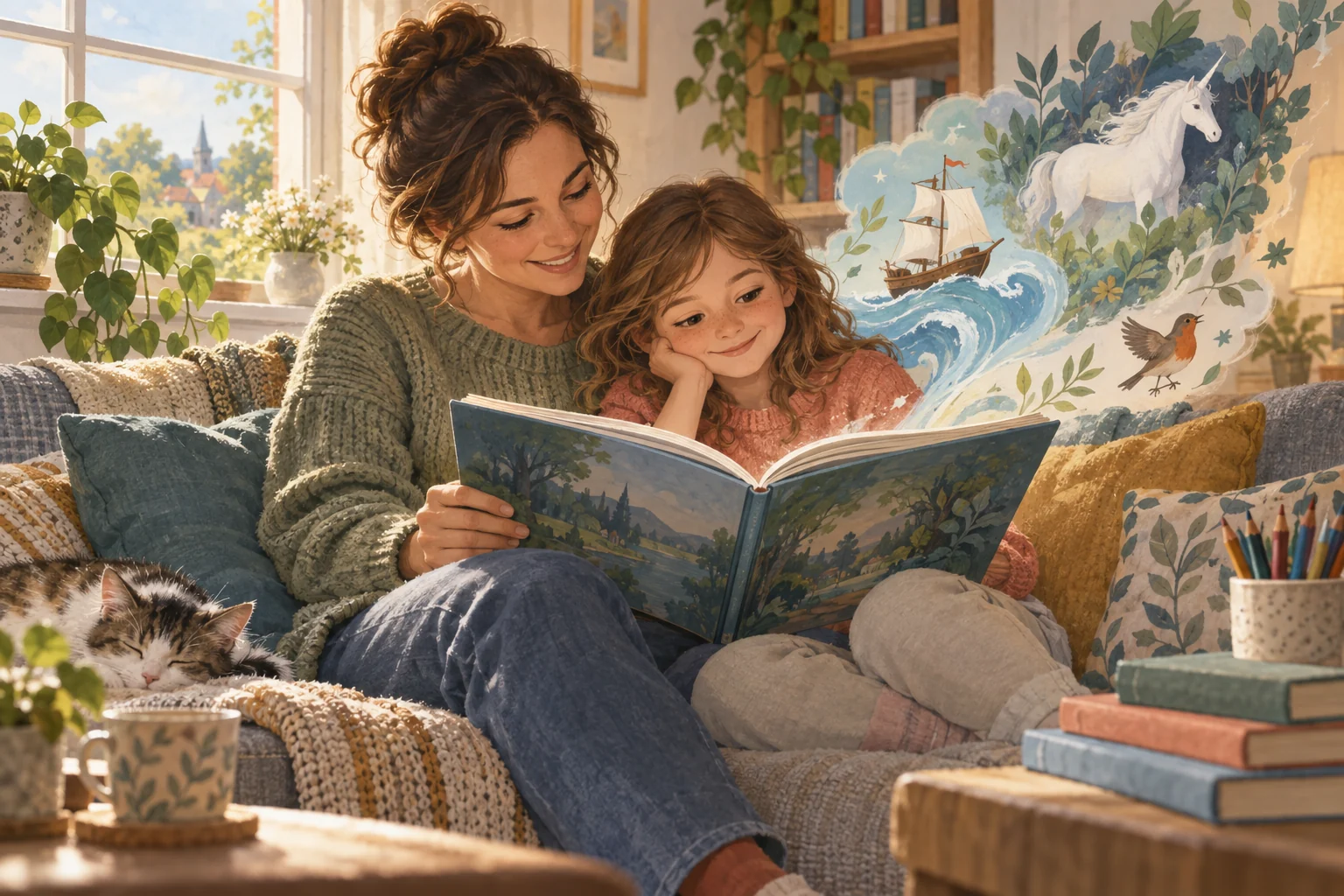
How can you encourage children to read when opening a book already feels like a negotiation? One starting point is to change the question. Instead of searching for the perfect number of pages, look for what makes a story interesting to this particular child today. A character, a picture, a sailing ship or an animal can be enough to begin a conversation.
This guide offers ideas you can adapt at home, without a rigid programme or a promise of results. It focuses on enjoyable reading and uses several books by Nicolas Marty as concrete examples. Try one suggestion, notice how your child responds and keep what makes you both want to return. A small shared experience can be a useful starting point, even when it looks different from the reading routine you imagined.
Start with their interests, not the perfect book
The French National Book Centre’s 2026 study of young people and reading surveyed 1,500 people aged seven to nineteen in France. It examines what attracts them to books and what holds them back. The CNL’s accompanying statement highlights recommendations from people close to them, the cover, the main character and the summary as reading triggers. These findings offer context for taking a child’s spontaneous interests seriously; they do not prescribe a routine for every family.
Offer two or three possibilities rather than an overwhelming pile. Show the covers, read a few lines and ask, “Which world would you like to explore?” Resist correcting the choice because it seems too easy or too far from your own tastes. A comic, a picture book or a familiar story can all belong in the selection. The immediate aim is to make a connection, rather than build an ideal library in one afternoon.
Notice what happens during the opening pages
Does the story interest your child when you read it aloud? Do they spend most of their time looking at the pictures? Do they ask about the characters or want to move on? These reactions help you distinguish curiosity about a story from comfort with reading its text. A book can be appealing while still being difficult to read independently. You might share the reading or choose a shorter passage, without treating that adjustment as a failure.
Read together, even after independent reading begins
Shared reading does not have to end once a child can read alone. You might read the beginning of a chapter, offer them a line of dialogue or simply carry on while they listen. Let them decline an invitation to take a turn. A quiet moment with a book can remain a quiet moment. If you stumble over a word yourself or try a character’s voice, the exchange can stay light and natural.
One open question is often enough to continue the experience: “Who would you trust?”, “What would you pack?” or “Which detail did you notice?” There is no need to check every event with a series of questions. You can share your own surprise instead. This leaves room for opinions, uncertainty and discussion without always asking the child to produce an expected answer. Silence and looking at the picture together are also possible responses.
Choose a length that fits real life
A few pages after a snack may be easier to repeat than a long session when everyone is tired. Try a short moment with a recognisable beginning: choose the book, settle down and open it at the bookmark. Stop somewhere that works for both the story and the child. Any suggested length is a practical starting point, never a target to pass. You can adjust it as your child’s interest and your family’s schedule change.
Three worlds that can spark an interest
The following examples show how to start from something a child already likes. Check a sample, passage length and available edition guidance when choosing a book. A character’s age is not a recommended reading age for every child. Consider whether your child likes listening, discussing or reading independently. The linked English presentations show the English covers and provide direct links to the available English Amazon editions.
For a child who asks questions about animals
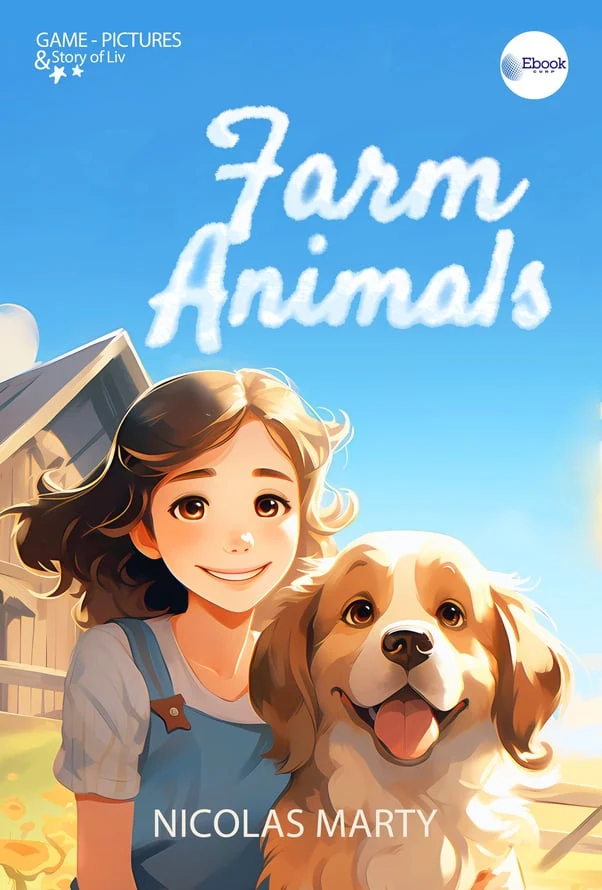
Farm Animals, a book introducing thirty-three animals, provides a visual starting point. Let your child choose an animal, describe it and explain where they have seen one before. You can compare two shapes or look for a distinguishing feature. There is no need to work through the entire book in order. A few pages can support a conversation and leave another animal waiting to be discovered tomorrow.
For a child who imagines ships and treasure
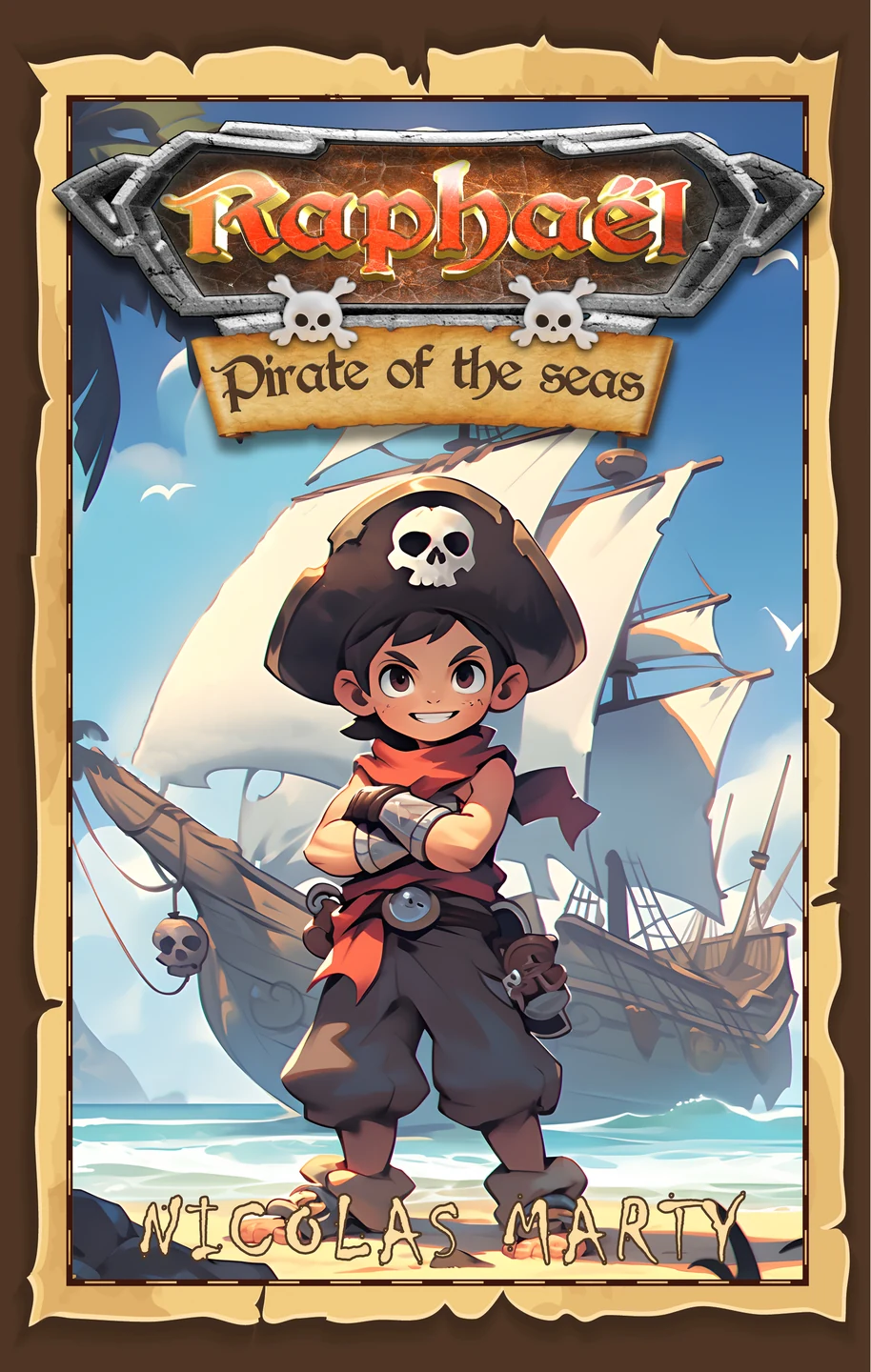
In Raphael, Pirate of the Seas, a young hero grows up aboard the Sao Jose with his family and a crew that becomes part of his world. Eight chapters explore courage, discovery and relationships. Before reading, you might draw an island or choose three things to take on a voyage. Afterwards, return to one idea from the story: what would you like to discover on an island of your own?
For a child who enjoys mysteries and unicorns
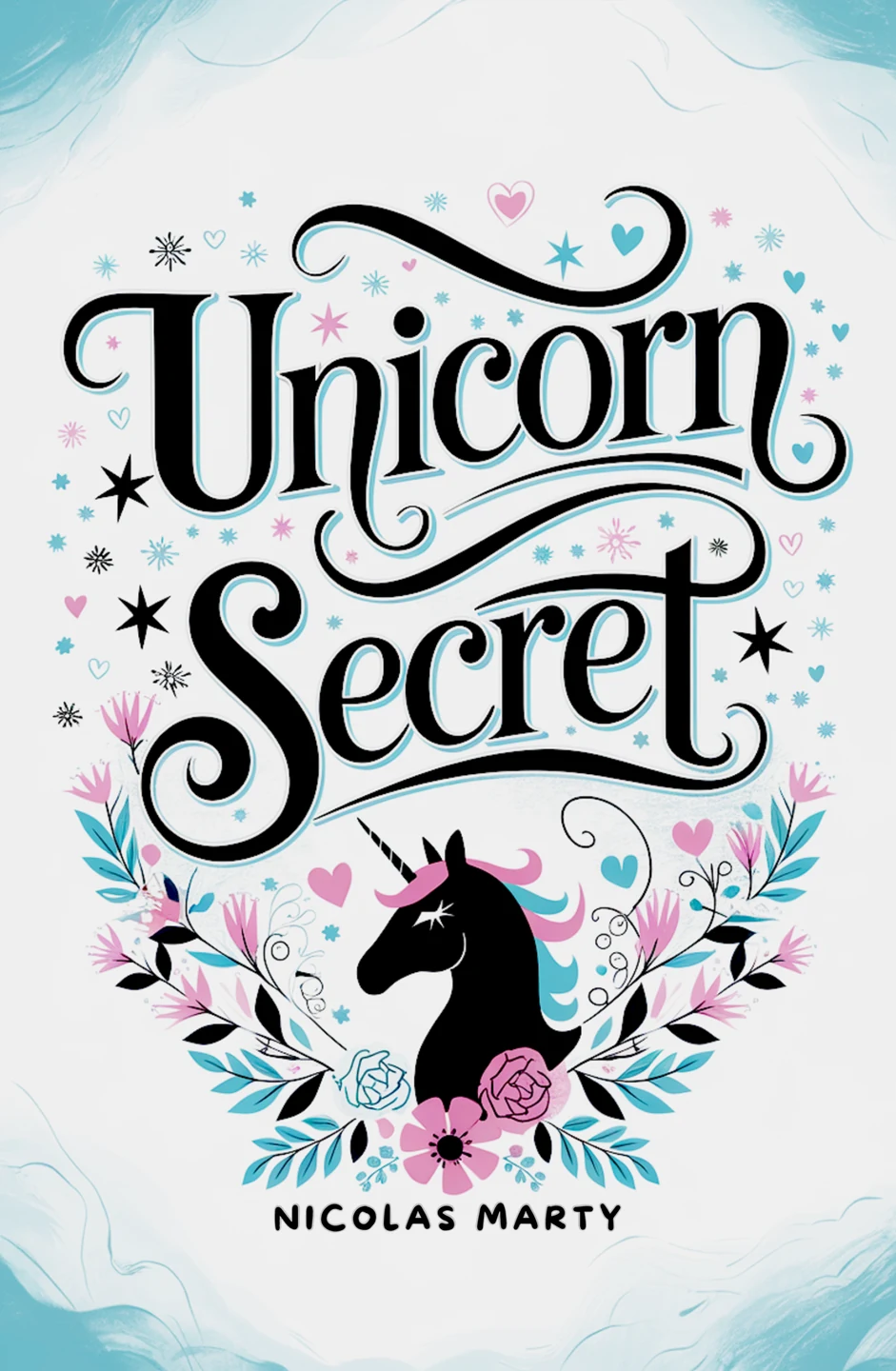
Unicorn Secret, Louise and Jade’s adventure, brings together a hidden world, clues and friendship. Louise is ten, and her story unfolds across ten chapters. Read one stage together, then imagine the question you would ask Jade. Themes of difference and confidence offer possible conversation starters, but follow them only if your child wants to talk. The story can also be enjoyed simply as a fantasy adventure.
Continue the story without turning it into homework
A drawing, an invented map or a character’s voice can extend the fun. Offer a brief activity and let your child choose whether to do it. They may prefer to close the book and play something else. A reading session does not need to produce a visible result to have mattered. Avoid automatically adding a worksheet, summary or reward to every leisure-reading moment. It is enough for the story to have held someone’s interest for a while.
For children who enjoy working with colours, Nicolas Marty’s unicorn coloring book and Kawaii coloring book provide imaginary worlds to explore. They can accompany a creative activity around storytelling. Coloring is different from reading; the idea is to create an opportunity to tell a story. You might invent the name, home or adventure of a character after choosing its colours, if that appeals to your child.
Build a habit with room for choice
Keep a few books within easy reach, change the small selection occasionally and visit a library when your schedule allows. Borrowing lets you try different formats without buying every book you consider. If a title does not connect with your child, set it aside. Returning to it later, or choosing something else, is an ordinary part of a reading life. A book that did not work this week does not need to become a verdict on reading.
Children who enjoy making decisions may also be interested in interactive stories. The reader chooses certain actions and follows references through the narrative. Check the length and rules before introducing this format: not all gamebooks are intended for young children. Our guide to choosing a first gamebook explains differences between adventures with dice, stories without dice and kawaii settings. Its featured books are currently in French, so language is another important consideration.
A small experiment for this week
Begin by letting your child choose between two books. Next time, return to the one they ask for, even if you have read it already. On another day, try telling a page together, then offer a drawing or conversation if it feels welcome. At the end of the week, keep only what was enjoyable. The point is not to measure performance, but to notice a situation that both of you would like to experience again.
Common questions about encouraging reading
My child always wants the same book. Should I change it?
You can welcome rereading and offer another title alongside the favourite without taking it away. A familiar story can make room for noticing an overlooked illustration or playing a scene differently. Your child can also simply enjoy returning to something they already know. Novelty does not need to be the goal of every session.
What should I choose for a child who dislikes reading?
Start with what they enjoy looking at, talking about or doing. Try a short passage together before asking for independent reading. The illustrated children’s book presentations compare animals, pirates and unicorns. A library is another useful place to explore formats and ask for suggestions based on your child’s interests.
Do I need to buy several books to begin?
One enjoyed book, borrowed or already at home, can be a starting point. If you later want to explore this author’s titles, Nicolas Marty’s complete catalogue brings together illustrated presentations and available editions. Check the language on each page before continuing to Amazon, which handles the order and its delivery conditions.